
PERIODONTAL (GUM) DISEASE
A Healthy Smile Starts
With Dental Arts General Dentistry!
PERIODONTAL (GUM) DISEASE
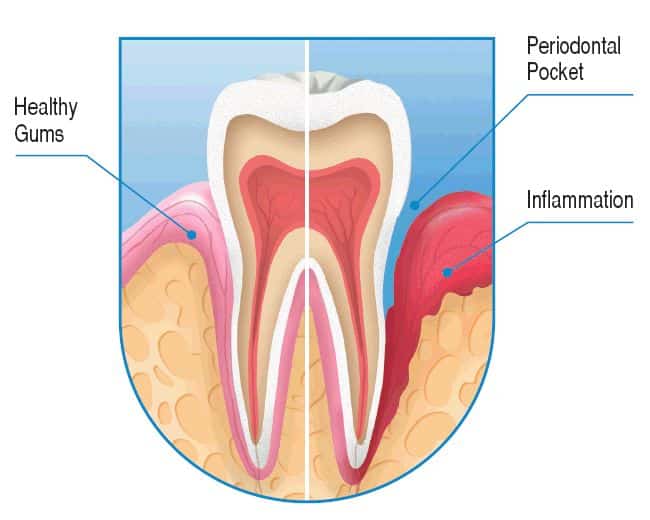
Periodontal (gum) disease is insidious. It is an infection of the gums that starts out as plaque, an opaque film on the teeth that hardens to form tartar. As tartar accumulates, it harbors bacteria that attack the soft tissue around the gums. This is the early stage of gum disease known as Gingivitis. Left untreated, Gingivitis becomes Periodontitis which ultimately destroys the tissue surrounding your teeth AND the bone that holds your teeth in place.
Periodontal (Gum) Disease
Periodontal (gum) disease can quietly damage your gums and the bone supporting your teeth.
Early treatment helps stop progression and protects your smile long-term.
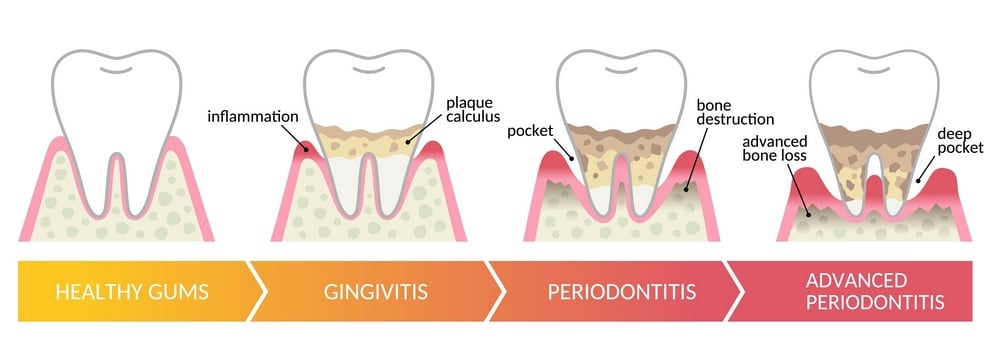
What Is Periodontal (Gum) Disease?
Periodontal (gum) disease is an infection of the gums that begins as plaque, a sticky film on the teeth that hardens into tartar. As tartar accumulates, it harbors bacteria that attack the soft tissue surrounding the gums. This early stage is known as gingivitis. If left untreated, gingivitis can progress into periodontitis, which damages the tissue and bone that hold your teeth in place.
Common Signs of Gum Disease
- Bleeding while brushing or flossing
- Red, swollen, or tender gums
- Persistent bad breath
- Receding gums
- Loose teeth
- Changes in your bite
Gum Disease Treatment Options
Treatment depends on severity. After a comprehensive exam, we may recommend:
- Professional cleanings to reduce plaque buildup
- Scaling & root planing (deep cleaning) below the gumline
- Periodontal maintenance to manage long-term gum health
- Soft tissue grafting for gum recession when needed
Why Early Treatment Matters
Gum disease can progress without noticeable pain. Early diagnosis supports more conservative treatment
and helps preserve your natural teeth. Routine exams and cleanings are key to maintaining healthy gums.
Periodontal Disease FAQ
Can gum disease be reversed?
- Gingivitis can often be reversed with professional care and improved oral hygiene.
Advanced periodontitis typically requires ongoing management.
Is gum disease painful?
- Early stages may not cause discomfort, which is why routine dental visits are important for early detection.
How often should I have periodontal maintenance?
- Many patients benefit from maintenance visits every three to four months, depending on their condition.
Schedule a Gum Health Evaluation
If your gums bleed, feel tender, or you’ve noticed recession, we are here to help.
Call us today or request an appointment online.
GET IN TOUCH
Do you need help or have a questions? Fill out this form to get in touch.