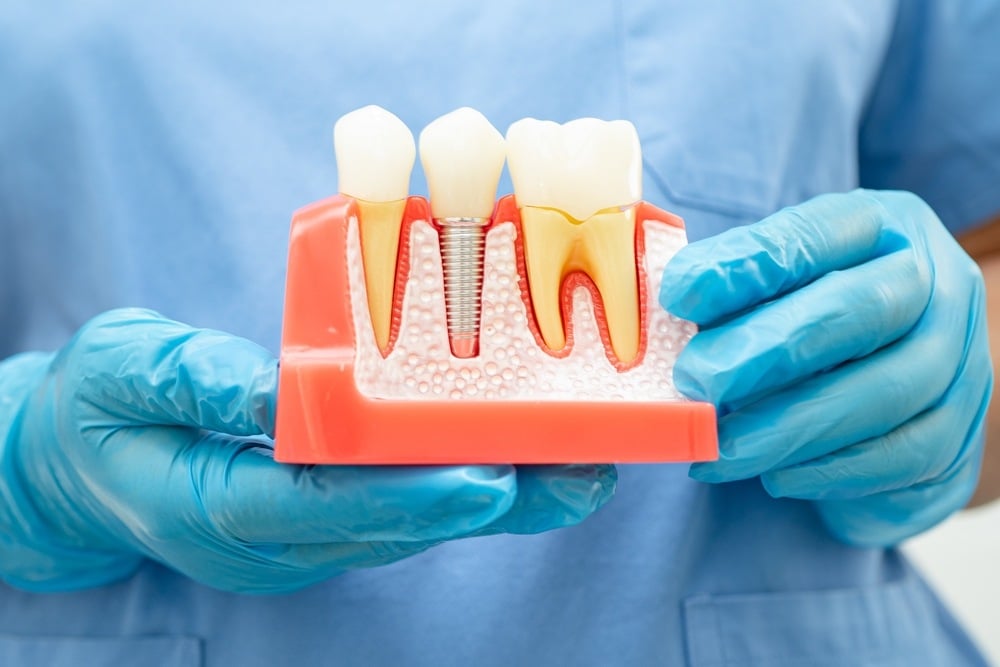

After dental implant surgery, your body begins an important healing process that requires proper nutrition and gentle care. During the first few days, you may experience swelling, tenderness, or minor discomfort, making soft and easy-to-eat foods the most comfortable choice. You can focus on nutrient-rich options such as yogurt, smoothies, mashed potatoes, applesauce, and warm soups that are not too hot. These foods provide essential vitamins and minerals while minimizing strain on the surgical site. Staying hydrated is equally important, so drinking water throughout the day supports healing and helps you feel more comfortable. By choosing soothing foods and avoiding anything that requires heavy chewing, you create an environment that helps your implants begin to integrate with your jawbone.
Soft Foods That Support Recovery and Comfort
As you continue healing, you can expand your diet to include a wider variety of soft foods that offer both comfort and nourishment. Scrambled eggs, oatmeal, cottage cheese, soft fish, and well-cooked vegetables are excellent choices that provide protein and nutrients without placing pressure on the implant area. Blended soups and smoothies can be customized with fruits, vegetables, and protein sources to support tissue repair and energy levels. You may find it helpful to eat smaller, more frequent meals to maintain steady nutrition while avoiding discomfort. Paying attention to food temperature is also important, as extremely hot items can irritate sensitive tissues. By selecting foods that are gentle yet satisfying, you support your recovery while maintaining a balanced diet.
Foods and Habits to Avoid During Healing
Protecting your dental implants during the healing phase involves avoiding foods and habits that could interfere with recovery. Hard, crunchy, or sticky foods such as nuts, chips, caramel, and chewing gum can put pressure on the implant site or lodge near the surgical area. Spicy foods and acidic beverages may cause irritation, while alcohol and smoking can slow the healing process and increase the risk of complications. Using a straw is often discouraged in the early stages because it can disrupt the surgical site. Being mindful of these precautions helps prevent unnecessary discomfort and supports proper integration of the implant with your jawbone. By making thoughtful choices, you give your new implants the best opportunity for long-term success.
Gradually Returning to Your Normal Diet
As your mouth heals and your dentist confirms that recovery is progressing well, you can slowly reintroduce firmer foods into your diet. You may begin with tender meats, soft bread, pasta, and steamed vegetables before transitioning to foods that require more chewing. Listening to your body is essential; if you feel discomfort while eating certain foods, it may be best to wait a little longer before trying them again. Maintaining excellent oral hygiene during this phase helps keep the surgical area clean and supports continued healing. With time and proper care, you can return to enjoying a full range of foods, benefiting from the stability and function that dental implants provide.
Support for Healing and Long-Term Oral Health
At Dental Arts San Diego, your care centers on relieving discomfort while protecting your long-term oral health and restoring dependable function. Your treatment plan is designed to address immediate concerns while promoting lasting comfort, stability, and confidence in your smile. Whether you are recovering from implant surgery, experiencing severe tooth pain, or dealing with unexpected tooth loss, prompt attention can help restore balance and support your daily life. If you have questions about post-surgical care or need urgent dental treatment, contact us as soon as possible to schedule a visit. Timely care can help you regain comfort, protect your smile, and move forward with confidence in your oral health journey.