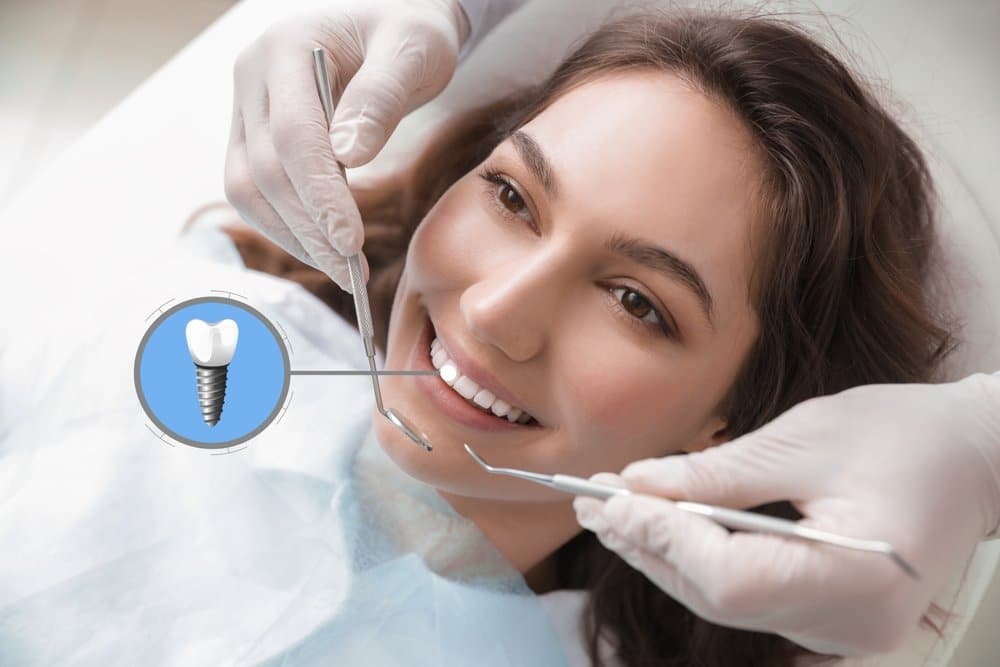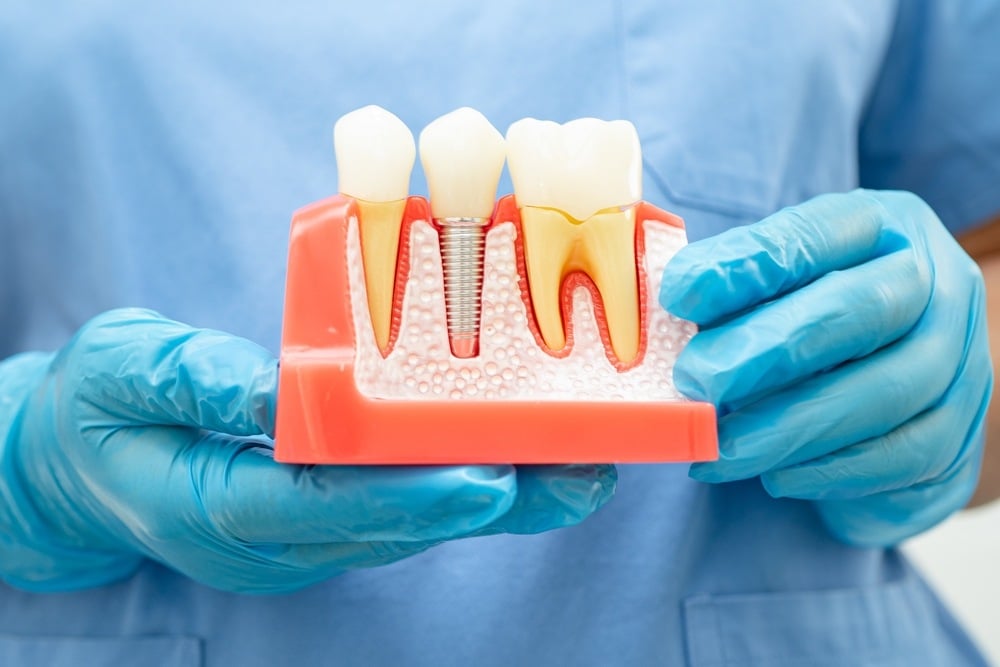
If you are considering dental implants, you may wonder whether your oral health and lifestyle make you a suitable candidate for this long-term tooth replacement option. Dental implants are designed to function like natural teeth by anchoring securely into your jawbone, providing stability, comfort, and a natural appearance. To determine if implants are right for you, several factors come into play, including your overall health, bone density, and commitment to oral hygiene. You may be a strong candidate if you have one or more missing teeth, healthy gums, and a jawbone that can support the implant post. Even if you have experienced bone loss, advances in dental techniques may still make implants possible through preparatory procedures that rebuild the foundation needed for successful placement.
The Role of Jawbone Health and Density
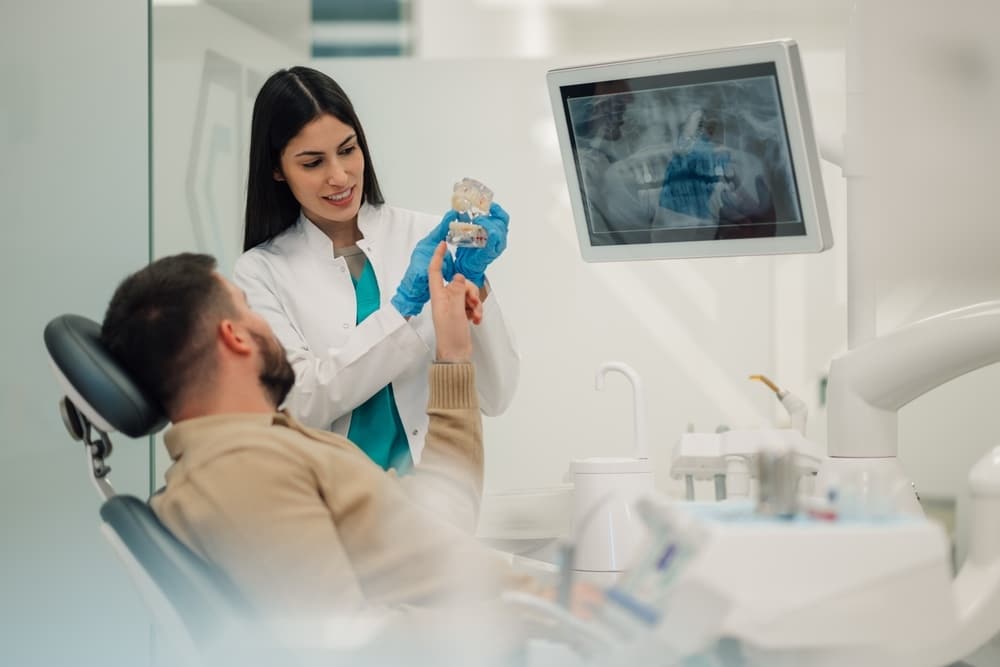
Your jawbone plays a critical role in the success of dental implants because it serves as the anchor that holds the implant securely in place. When a tooth is lost, the surrounding bone can gradually shrink due to a lack of stimulation. For implants to integrate properly, you need sufficient bone volume and density to support the titanium post. If your bone structure has weakened, you may still qualify for implants, with treatments such as bone grafting to rebuild the area and create a stable base. Maintaining good oral health and addressing tooth loss promptly can improve your chances of preserving bone structure. By evaluating your jawbone through imaging and examination, you can gain a clearer picture of whether implants are a viable and lasting solution for your smile.
Gum Health and Overall Oral Condition
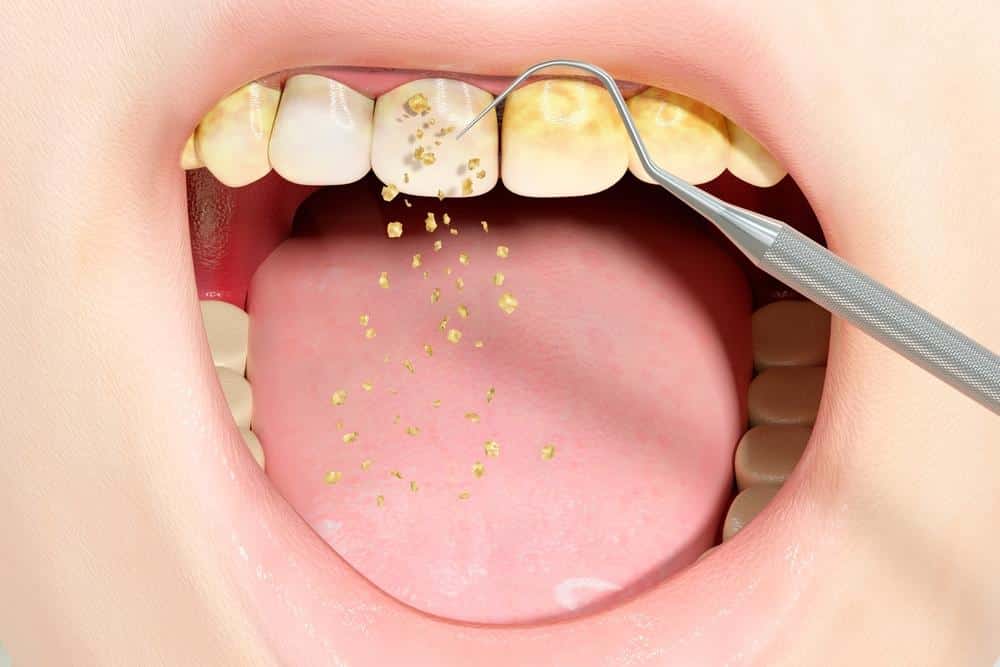
Healthy gums are essential when determining your suitability for dental implants. Gum disease can compromise the tissues that support your teeth and implants, increasing the risk of complications. If you have signs of periodontal disease, such as swelling, bleeding, or gum recession, treatment is necessary before moving forward with implant placement. You can improve your candidacy by maintaining consistent brushing, flossing, and professional cleanings to keep your gums strong and free from infection. In addition to your gum health, your dentist will assess factors such as bite alignment, existing dental restorations, and habits like teeth grinding that may affect the success of your implant. Addressing these issues ahead of time helps create an environment where implants can thrive and function comfortably.
Lifestyle Factors That Influence Implant Success
Your daily habits and overall health can significantly influence how well dental implants integrate and perform over time. Non-smokers often experience better healing and long-term success, as smoking can interfere with the body’s ability to recover and maintain healthy gum tissue. Chronic conditions such as uncontrolled diabetes may also affect healing, making it important to manage your health in collaboration with your healthcare providers. A commitment to good oral hygiene and routine dental visits plays a key role in preserving the longevity of your implants. By adopting healthy habits and following professional guidance, you can create the ideal conditions for implants to remain secure, functional, and aesthetically pleasing for many years.
Personalized Care for Lasting Comfort and Stability
At Dental Arts San Diego, your care focuses on relieving discomfort while protecting your long-term oral health and restoring reliable function. Your treatment plan is tailored to address immediate concerns while supporting lasting comfort and stability. Whether you are coping with severe tooth pain, a damaged tooth, or unexpected tooth loss, prompt attention can help reestablish balance and confidence in your smile. If you are unsure whether you qualify for dental implants or need urgent dental care, contact us as soon as possible to schedule a visit. Timely treatment can help you regain comfort, strengthen your oral health, and move forward with a solution that supports your everyday life.