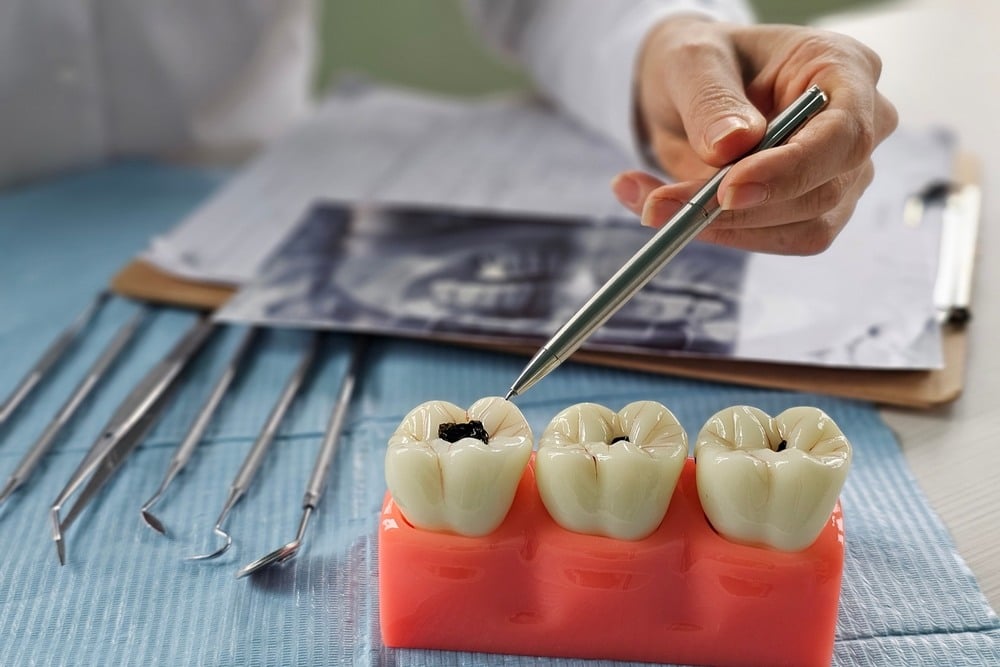
A small cavity may seem like a minor issue, especially if you are not feeling any pain or discomfort right away. However, that early stage of decay is a sign that bacteria have already begun to weaken your tooth’s enamel. This process often starts quietly, making it easy to overlook or postpone treatment. When plaque builds up and produces acids, it gradually breaks down the protective outer layer of your tooth. At this point, the damage is still limited and can be treated quickly with a simple filling. Ignoring it allows the decay to continue, spreading deeper into the tooth and leading to more serious problems over time. Taking action early helps you preserve your tooth’s strength and avoid unnecessary complications.
Progression of Decay Beneath the Surface
When a cavity is left untreated, it does not remain the same size or severity. Instead, it continues to expand and move beyond the enamel into the dentin, which is a softer layer beneath the surface. Once the decay reaches this area, the damage can accelerate because dentin is more vulnerable to bacterial activity. You may begin to notice sensitivity to hot, cold, or sweet foods as the tooth structure weakens. At this stage, what could have been a simple treatment becomes more involved, requiring a larger filling or additional care. As the cavity grows, it compromises the integrity of your tooth, increasing the risk of fractures or further deterioration that can affect your daily comfort.
When Decay Reaches the Inner Tooth
If the cavity continues to progress without treatment, it can eventually reach the pulp, which contains nerves and blood vessels. This is when you are more likely to experience significant pain, swelling, or even infection. Once the inner portion of the tooth is affected, the situation becomes more urgent and may require procedures such as a root canal to remove the infected tissue and restore the tooth. In some cases, the damage may be too extensive to repair, necessitating extraction. What began as a small, manageable issue can quickly become a more complex condition that affects your ability to eat, speak, and function comfortably. Addressing decay early helps you avoid reaching this stage.
The Impact on Your Overall Oral Health
Ignoring a cavity not only affects one tooth; it can influence your overall oral health. Bacteria from untreated decay can spread to neighboring teeth, increasing the likelihood of additional cavities. Infection can also affect your gums and surrounding tissues, leading to inflammation and discomfort. As your oral health declines, you may notice changes in your bite, difficulty chewing, or ongoing sensitivity that interferes with your daily routine. Over time, untreated dental issues can lead to more extensive procedures and higher costs. By addressing a cavity early, you protect not just one tooth, but your entire smile and overall well-being.
Take Action Early to Protect Your Smile
Choosing to treat a small cavity right away helps you maintain control over your oral health and avoid unnecessary discomfort. At Dental Arts San Diego, your care is centered on relieving discomfort, protecting your long-term oral health, and restoring your ability to function. Your treatment plan is tailored to address immediate concerns while promoting lasting comfort, stability, and confidence in your smile. Whether you are experiencing tooth sensitivity, a damaged tooth, or sudden pain, prompt attention can help restore balance and support your daily life. If you are considering dental implants or need urgent dental care, contact us as soon as possible to schedule a visit. Timely treatment can help you regain comfort, improve speech and chewing, and move forward with a solution that supports your overall well-being.