When you lose a tooth, the effects go beyond the visible gap in your smile. Your jawbone relies on the stimulation created by chewing to maintain its strength and density. Once a tooth is missing, that stimulation stops, and the bone in that area can begin to shrink over time. If you are considering dental implants, this loss of bone volume can directly affect whether the implant has enough support to remain stable over the long term.
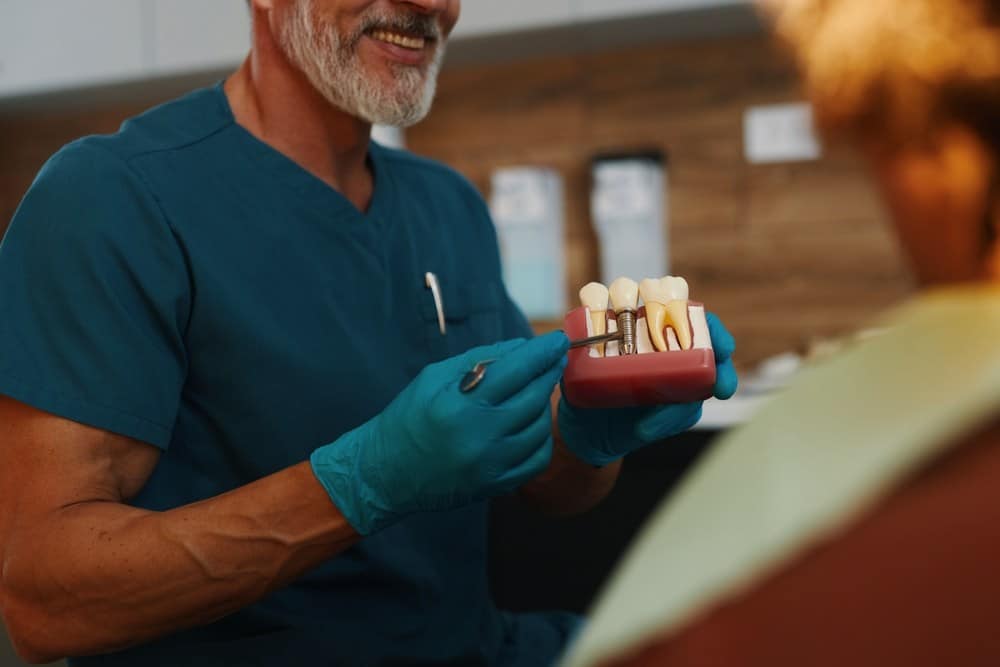
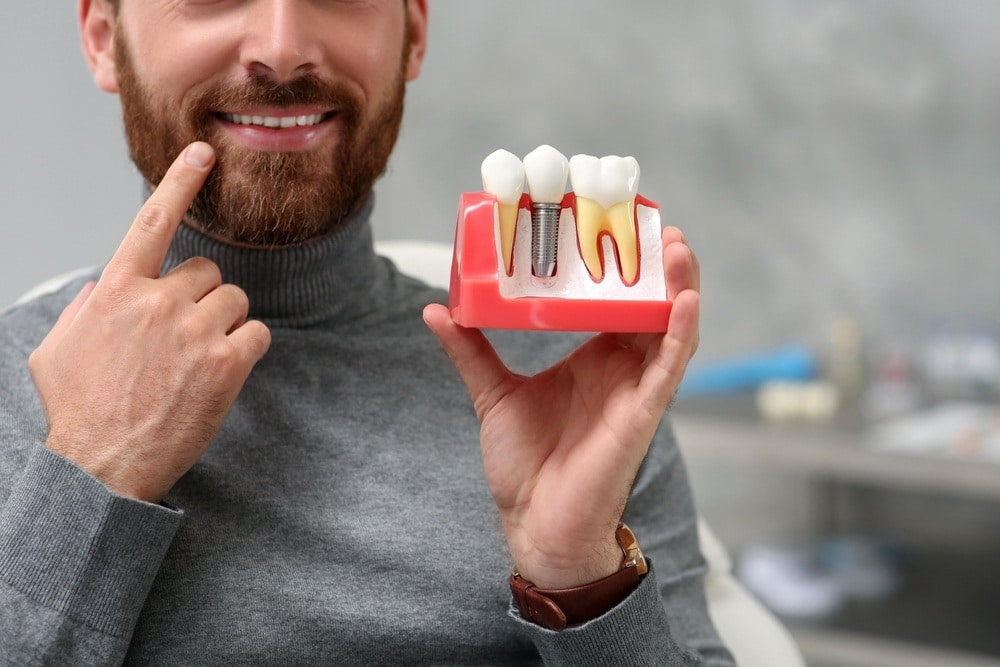
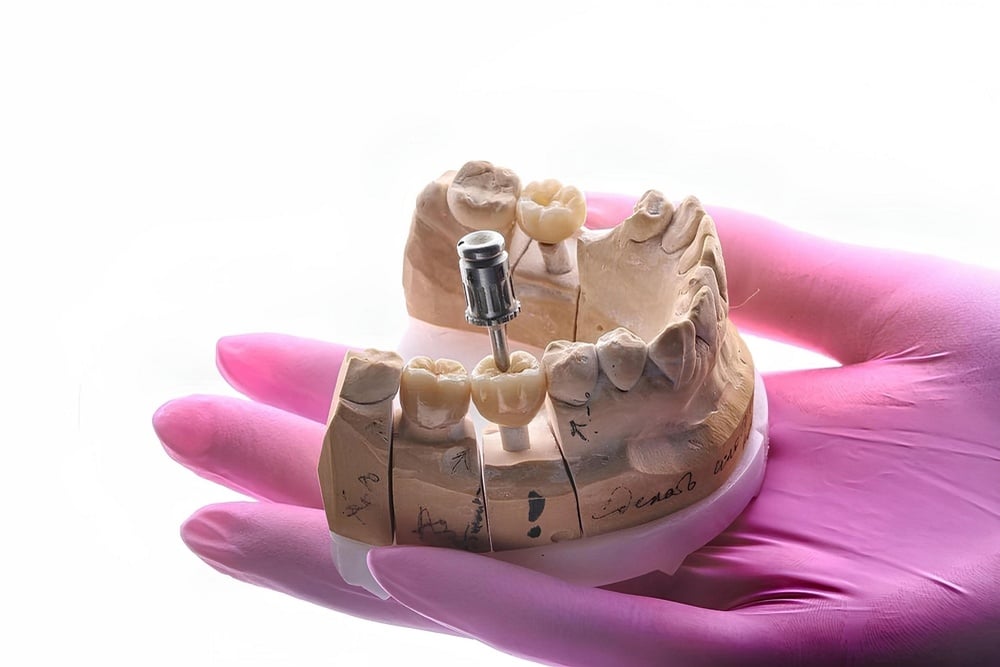
Dental implants function like artificial tooth roots. They are placed into your jawbone, where they fuse with the bone to create a secure foundation for a crown. For this fusion to succeed, you need sufficient bone height and thickness. If the bone has deteriorated, the implant may not integrate properly, which could compromise both comfort and function.
You might not realize that bone loss can begin soon after a tooth extraction or loss due to trauma or infection. Even if the change is not visible from the outside, internal bone reduction can complicate implant placement. That is where bone grafting becomes an important part of your treatment plan. By rebuilding lost bone in specific areas, you create the support necessary for a strong, lasting dental implant.
How Bone Loss Happens After Tooth Loss
Your body is efficient and practical. When it senses that a part of the jaw is no longer needed to support a tooth, it gradually reallocates resources. As a result, the bone in that area begins to shrink. This process, known as bone resorption, can affect both the width and height of your jawbone.
If you wait months or years before replacing a missing tooth, the bone may become too thin or too soft to anchor an implant securely. In some cases, bone loss can also alter the shape of your face, creating a sunken appearance around the mouth. That change can affect both your confidence and your oral function.
Gum disease can further complicate matters. Periodontal infections damage not only your gums but also the bone that supports your teeth. If advanced gum disease contributed to your tooth loss, you may already have reduced bone density in the surrounding areas. Trauma from injury or longstanding infections can also weaken the jawbone.
When you understand how quickly bone changes can occur, you can see why timing matters. Early evaluation after tooth loss helps determine whether bone grafting is needed before placing an implant. Acting sooner rather than later often leads to simpler treatment and better long-term results.
What Bone Grafting Involves and How It Supports Implant Success
Bone grafting is a procedure designed to rebuild or reinforce areas of the jaw where bone has diminished. During this process, grafting material is placed in the deficient area to encourage your body to regenerate new bone. Over time, your natural bone integrates with the graft, strengthening the site and preparing it for implant placement.
You may receive grafting material from different sources, including your own bone, donor tissue, or synthetic materials designed to stimulate bone growth. The choice depends on your specific needs and the extent of bone loss. Your treatment plan will be tailored to your oral health, overall health, and long-term goals.
Healing after a bone graft requires patience. Your body needs time to form new bone tissue and create a solid base for the implant. While this may add an extra step to your treatment timeline, it greatly improves the likelihood that your implant will remain stable for years to come.
In some cases, bone grafting can be performed at the same time as a tooth extraction to preserve the socket and minimize bone loss. In other situations, you may need a more advanced grafting procedure before implant placement. Either way, strengthening your jawbone sets the stage for a more predictable and successful outcome.
Signs You May Need Bone Grafting Before an Implant
You may wonder how you can tell if bone grafting is necessary. The most reliable way is through a comprehensive dental evaluation that includes digital imaging. X-rays and 3D scans allow you to see the condition of your jawbone and determine whether there is enough volume to support an implant.
If you lost a tooth years ago and never replaced it, there is a higher likelihood that bone loss has occurred. You may also need grafting if you have worn dentures for an extended period. Dentures rest on top of the gums and do not provide the stimulation that natural tooth roots or implants provide, which can accelerate bone shrinkage.
Another indicator is difficulty with previous dental restorations due to limited bone support. If your dentist has mentioned thin bone, sinus proximity in the upper jaw, or structural concerns in the lower jaw, grafting may be part of your path to implant treatment.
Although the idea of an additional procedure may feel overwhelming, remember that bone grafting is an investment in stability and longevity. It helps ensure that your implant not only looks natural but also functions comfortably when you chew, speak, and smile.
Rebuilding Strength and Stability for Your Future Smile
Choosing dental implants is about more than filling a gap. It is about restoring confidence, improving function, and protecting your oral health for the long term. Bone grafting may be necessary to create the strong foundation your implant requires, especially if bone loss has already taken place.
When you address bone deficiencies before implant placement, you reduce the risk of complications and increase the chances of a smooth recovery. You also improve the overall aesthetics of your smile by maintaining natural facial contours supported by healthy bone structure.
At Dental Arts San Diego, your care focuses on relieving discomfort while supporting your long-term oral health. If you are considering dental implants and are unsure whether bone grafting may be needed, a thorough evaluation can clarify your options and guide you toward the right solution. Prompt attention to missing teeth and jawbone health helps you regain comfort, function, and confidence. Contact us to schedule your consultation and learn how personalized treatment can restore strength and stability to your smile.