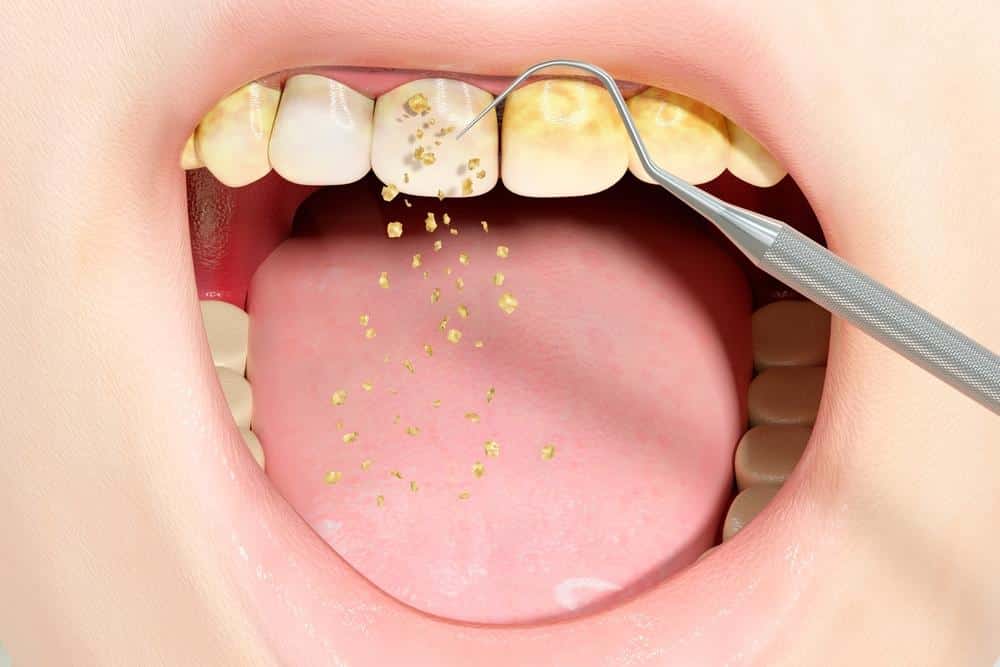
Plaque is a sticky film of bacteria that constantly forms on your teeth throughout the day, especially after eating or drinking. When food particles mix with bacteria in your mouth, they create acids that cling to your enamel and begin to wear it down. This process can happen quickly if oral hygiene is inconsistent, allowing plaque to build up in hard-to-clean areas, such as between teeth and along the gumline. At first, plaque may seem harmless because it is not always visible, but it plays a major role in the development of cavities and gum irritation. When you brush and floss regularly, you remove much of this buildup before it has the chance to cause damage. However, when plaque is left untreated, it becomes more aggressive and begins to affect your teeth and gums in noticeable ways.
How Plaque Turns Into Hardened Tartar
When plaque is not removed effectively, it hardens into tartar, also known as calculus. This hardened substance bonds tightly to your teeth and cannot be removed with regular brushing or flossing alone. Tartar often forms along the gumline and creates a rough surface that allows even more bacteria to attach and grow. As tartar builds up, it becomes easier for plaque to accumulate, creating a cycle that can quickly lead to more serious dental concerns. You may notice discoloration, rough patches, or a feeling that your teeth are not as smooth as they once were. Because tartar is firmly attached, professional dental cleanings are necessary to remove it and restore a healthier environment in your mouth.
The Damage Plaque and Tartar Cause to Enamel
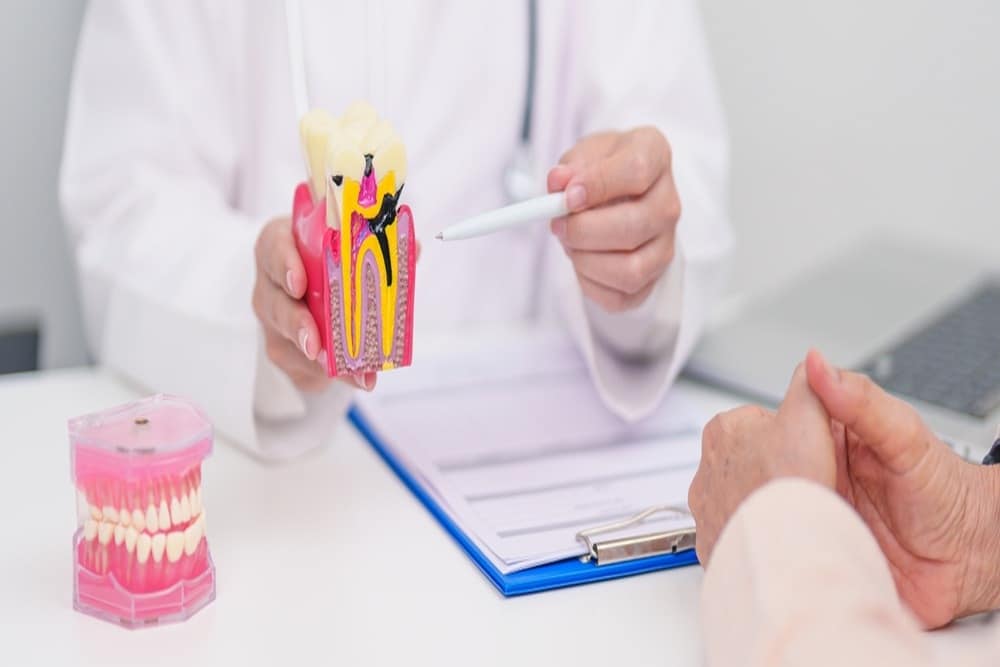
Both plaque and tartar contribute to the breakdown of your tooth enamel, which is the protective outer layer of your teeth. The acids produced by bacteria in plaque gradually weaken this layer, leading to the formation of cavities. Once enamel begins to erode, your teeth become more sensitive to temperature changes and certain foods. Tartar adds to this problem by trapping bacteria against your teeth for longer periods, allowing the damage to progress more quickly. Over time, untreated buildup can lead to deeper decay that affects the inner layers of the tooth. This progression increases the likelihood of needing more extensive treatments, which could have been avoided with early intervention and consistent care.
Effects on Your Gums and Overall Oral Health
Plaque and tartar do not only affect your teeth—they also have a significant impact on your gums. As bacteria accumulate along the gumline, they can cause irritation, redness, and swelling. This early stage of gum disease, known as gingivitis, may lead to bleeding when you brush or floss. If left untreated, the condition can progress to more advanced stages, in which the gums begin to pull away from the teeth, creating pockets that trap even more bacteria. This can result in infection, bone loss, and eventually tooth loss. The health of your gums plays a critical role in supporting your teeth, so maintaining a clean environment is essential for long-term stability and comfort.
Take Control of Your Oral Health with Consistent Care
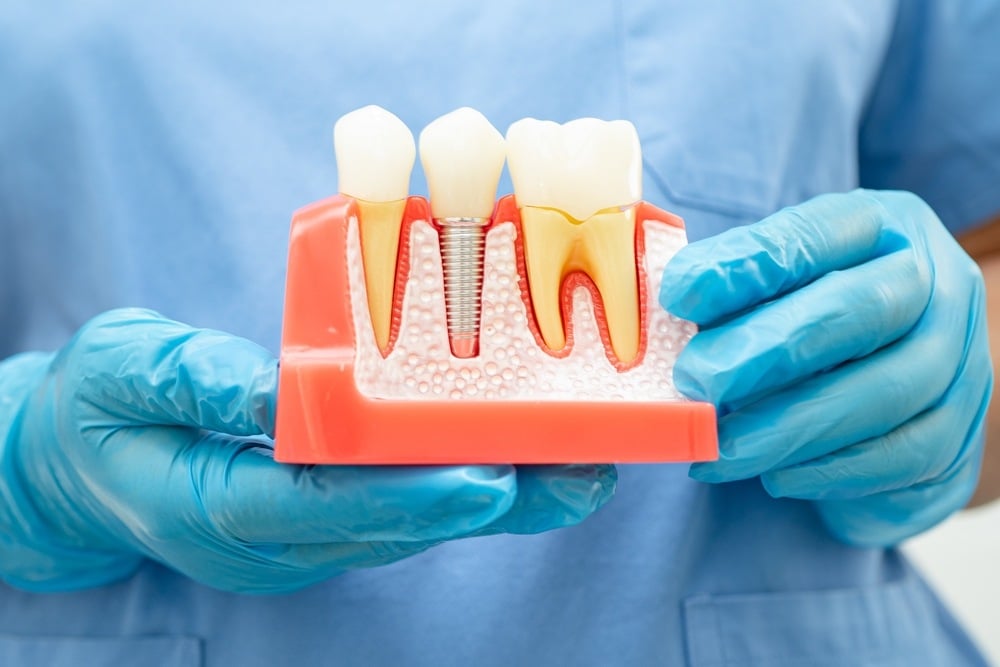
Keeping plaque and tartar under control requires a combination of daily habits and professional care. By brushing, flossing, and attending regular dental visits, you reduce buildup and protect your teeth and gums from long-term damage. At Dental Arts San Diego, your care is centered on relieving discomfort, protecting your long-term oral health, and restoring your ability to function. Your treatment plan is tailored to address immediate concerns while promoting lasting comfort, stability, and confidence in your smile. Whether you are experiencing severe tooth pain, a damaged tooth, or sudden tooth loss, prompt attention can help reestablish balance and support your daily life. If you are considering dental implants or need urgent dental care, contact us as soon as possible to schedule a visit. Timely treatment can help you regain comfort, improve speech and chewing, and move forward with a solution that supports your overall well-being.